About
What We Do
Funding That Empowers Indigenous Communities
The Four Pillars Society (FPS) is a not-for-profit organization that has been created for the sole purpose of investing and distributing the $2.8 Billion settlement fund that was awarded by the Government of Canada to the 325 Band Class members that signed on to the class action lawsuit. The Four Pillars Society’s board of directors invests and distributes the settlement funds following the settlement agreement.
The FPS initiated the release of ‘planning funds’ of $200,000 to each Band Class member in the second week of April; for each community to plan for their Four Pillars funding in the next five to ten years. The FPS recommends developing a ten-year plan, which indicates how funding for language, culture, heritage, and wellness will be allocated.
$2.8billion
Our Vision
To empower the revitalization, protection and promotion of Indigenous languages, culture, and heritage for the Band Class Members that leads to improvements in the health and wellness of their communities.
Our Mission
To encourage Band Class Members in revitalizing and protecting their language, culture, heritage, and community wellbeing through the distribution of Trustfunds.
Our Core Values
Four Pillar Principles
At the heart of our organization lie The Four Pillars Society Principles, which serve as the foundational values guiding all our actions and decisions. These principles are deeply embedded in our culture and operations.
Language is the principal means by which culture is accumulated, shared and transmitted from generation to generation. The key to identity and retention of culture is the revival and protection of our languages.
Culture is a complete whole that includes knowledge, practices, customs, art, norms, beliefs, and any other capabilities and habits that offer a sense of meaning as peoples.
Heritage is about into the future. It is about stewardship and maintenance of maintaining a connection to the past, through the present and traditions and practices, as well as stewardship of our lands and waters.
It is recognized and acknowledged that wellness is connected to our cultures, traditions, and knowledge, and that wellness of our communities and peoples is best achieved through practicing our cultures and traditions, and through connection to the land.
The Four Pillars Society
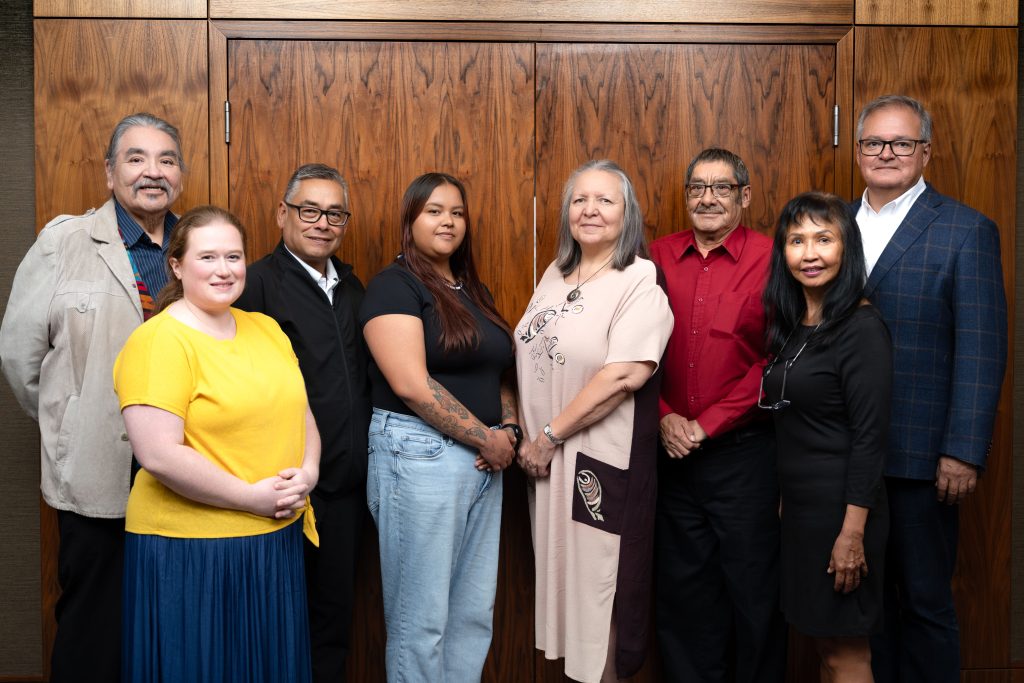
Meet the Board
Shane Gottriedson
Currently, Shane has transitioned into entrepreneurship and enjoys semi-retirement. He holds a one-third shareholder stake in two Tim Hortons restaurants. These establishments, located on Tk’emlups traditional territory, are run in partnership with his business associates, reflecting his entrepreneurial spirit and commitment to his roots.
In addition to his ventures in the food industry, Shane is also engaged in real estate development. He owns and develops private lands in IR #1 South Bend Estates, showcasing his versatility in business and investment.
Family plays a central role in Shane's life. He and his wife, Zena, have raised five children and are proud grandparents to three grandchildren. They strive to be role models, demonstrating the importance of taking on challenges and risks in business. Their entrepreneurial journey is about personal success, creating independence, and leaving a legacy for their family.
Shane's business acumen extends to recognizing and seizing opportunities, a skill that has solidified his position in the business community. His involvement with Tim Hortons, particularly in employment creation and community engagement, is a testament to his ability to transform ideas into reality. Alongside partners Joe Quezance and Mitch Shuter, Shane played a pivotal role in creating the Orange Donut initiative. In partnership with Tim Hortons, this campaign successfully raised over $3 million for the Orange Shirt Society and IRSS Society, signifying his commitment to social change and raising awareness for Indigenous issues.
Shane Gottfriedson is a figure of resilience, entrepreneurship, and dedication to his community and family. His journey from political leadership to business success demonstrates his multifaceted abilities and unwavering commitment to making a positive impact.
Roderick Pachano
Roderick Pachano is a member of the Cree Nation of Chisasibi. He attended residential school for 8 years, boarded homes for high school and was at McGill University for two and a half semesters.
Mr. Pachano worked for The Grand Council of the Crees (Eeyou Istchee) as assistant negotiator on the James Bay and Northern Quebec agreements and principal negotiator on Eeyou Marine Region Claims Agreement (Treaty) and various agreements with Hydro Quebec.
He served as Director on the Boards of Directors for The Grand Council of the Crees (Eeyou Istchee), the Cree Nation Government, the Board of Compensation and Trust for over 25 years; served as Vice Chair, Chair and sat on numerous committees such as the Executive and Investment Committee was acting President/Director General of another trust.
Mr. Pachano has been involved and in charge of the receipt of several funds, the management, Investment and disbursement of the various funds for many purposes. He was briefly the Director of Finance and Administration of the Cree School Board, was one of the founders of The Cree Construction Company, served on the Board of The Cree Economic Enterprises Company and The Subsidiaries of the Cree Company, including Air CreeBec; becoming the Chair for several years.
Mr. Pachano was one of the first Directors selected on The Four Pillars Society (TFPS) Board When his community showed support in 2023, With his extensive experience he brings vast resources to TFPS Board and now serves as Vice Chair.
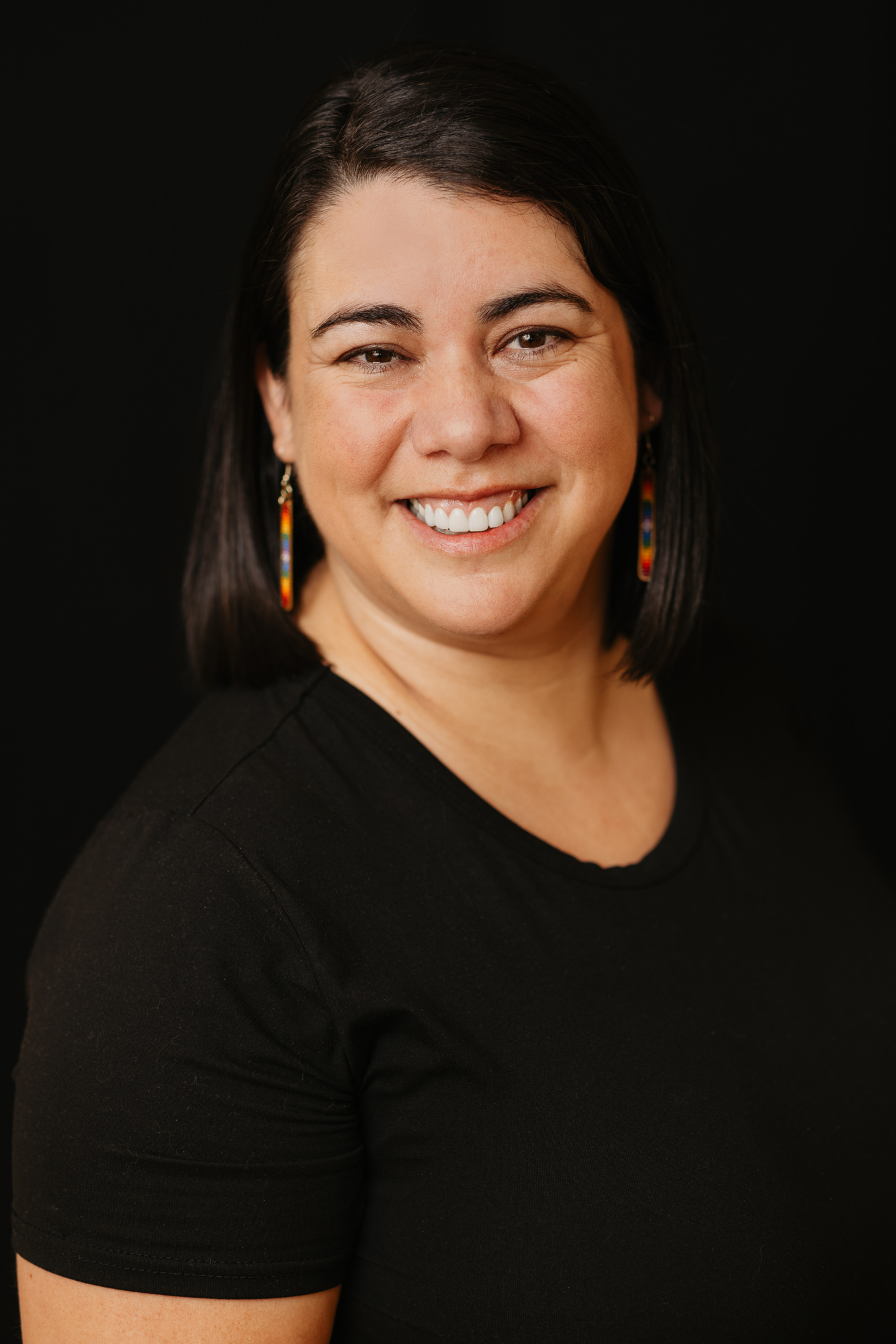
Bailey Quinn
(s-kiyamx), of the shishalh Nation, BC
Bailey Quinn
(s-kiyamx), of the shishalh Nation, BC
Mike DeGagne
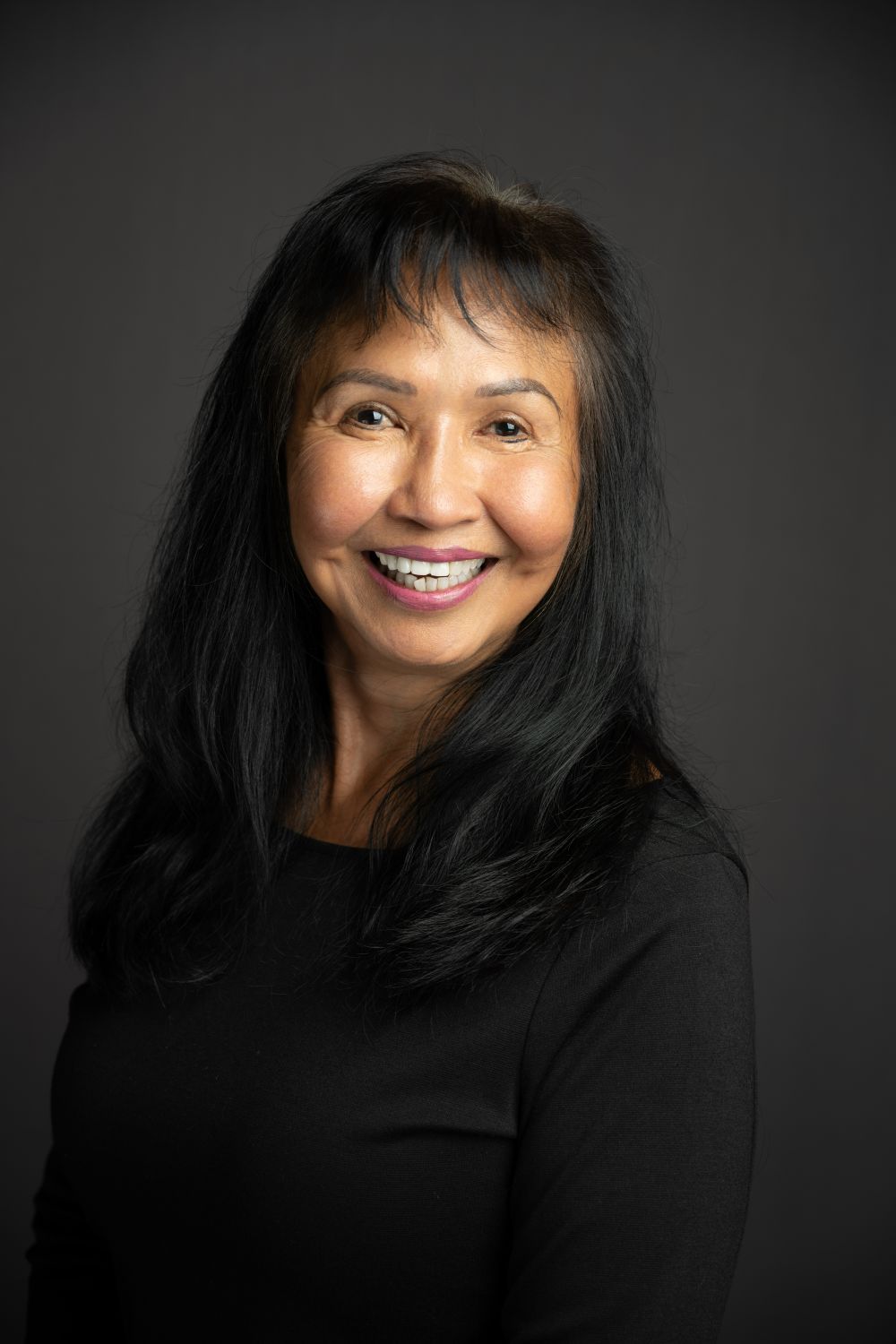
Michael D. DeGagné has been the President & CEO of Indspire since 2020. Indspire is an Indigenous national charity which supports and invests in the education of First Nations, Inuit, and Métis people across Turtle Island. He was appointed President and Vice Chancellor of Nipissing University in 2013, becoming one of the first Indigenous presidents of a Canadian public university.
While President of Nipissing, Dr. DeGagné dedicated much of his work to Indigenous issues and ensuring that Nipissing University played a significant role in the Indigenization of the post-secondary education sector. In 2020 he served as the first President of Yukon University, a new hybrid post-secondary institution in Whitehorse, Yukon. His career includes working with the federal government in management of Indigenous programs and as a negotiator of comprehensive land claims.
In 1998, Dr. DeGagné became the founding Executive Director of the Aboriginal Healing Foundation, a national Indigenous organization dedicated to addressing the legacy of Canada’s Indian Residential School System, a role he played until its closure in 2013. Dr. DeGagné holds a PhD from Michigan State University, focusing on Indigenous postsecondary success, and Masters degrees in Administration, Law, and Public Ethics. Since 2001, Dr. DeGagné has given numerous presentations across Canada on issues of Indigenous health, residential schools, reconciliation, and governance. Internationally, he has brought the same message to the United States, Australia, and New Zealand. He has co-edited and co-authored several publications in Canada and Australia on reconciliation and healing, including the “Speaking My Truth” series.
He is currently Professor of Sociology at the University of Toronto Scarborough, his alma mater. He has served on numerous boards of directors in the health and university sectors including as Chairman of Ottawa’s Queensway Carleton Hospital and Chairman of the Child Welfare League of Canada. He is currently the past-Chair of the Federation for the Humanities and Social Sciences, a Board Director of the Global Centre for Pluralism, and Vice Chair of the Collegium of the University of St. Michael’s College. He is a recipient of the Order of Canada, the Order of Ontario, and the Queen’s Diamond Jubilee Medal. Most recently, he received an Indspire Award for Public Service and was inducted into the Nipissing District Human Rights Hall of Fame. He holds Honorary Doctorates of Law from Dalhousie University and Ontario Tech University.
Dr. DeGagné is a citizen of the Animakee Wa Zhing 37 First Nation (Northwest Angle #37 First Nation) in northwestern Ontario.
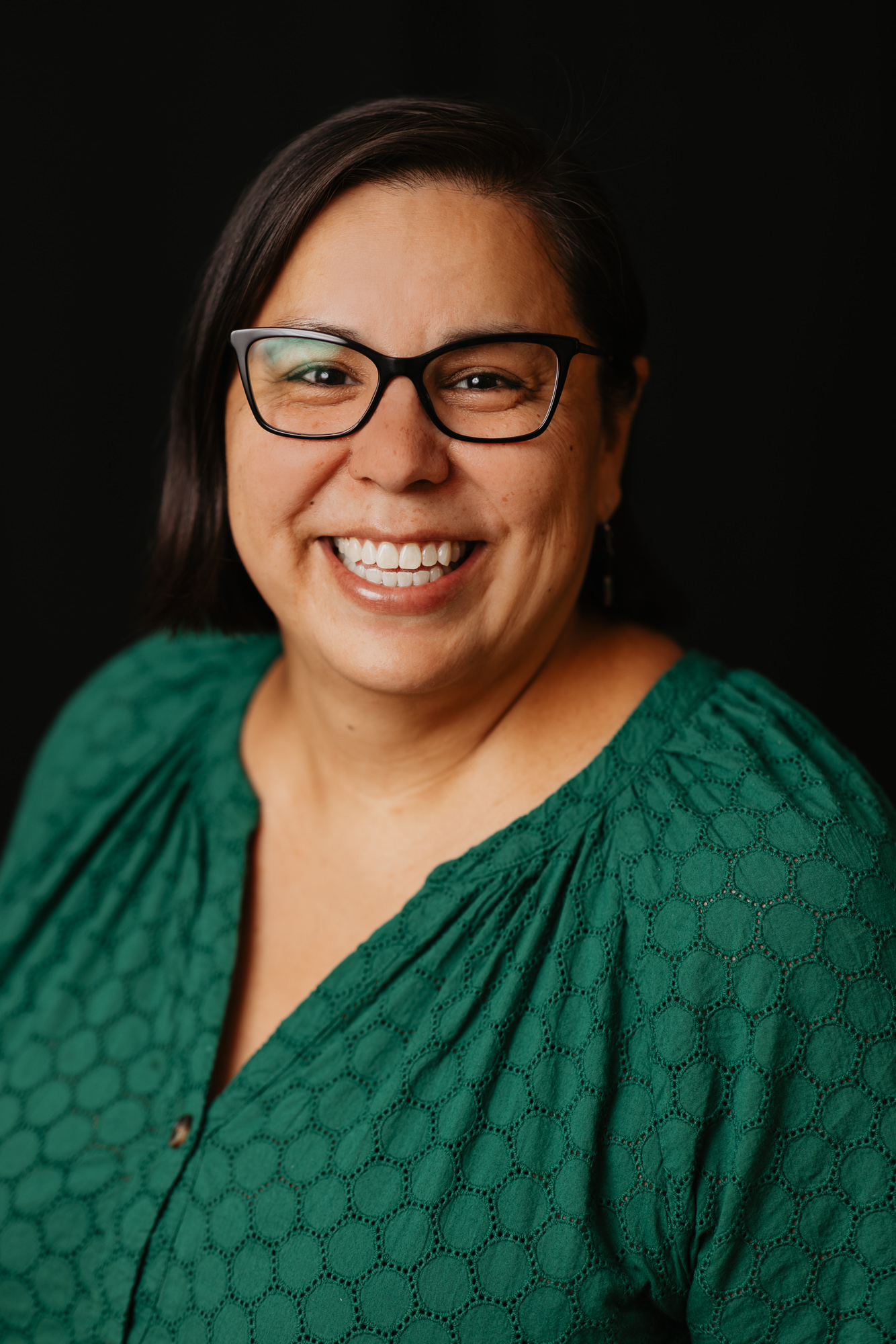
Lucille Jack
Lucille believes cultural, heritage, language and wellness work collectively to have a healthy and meaningful life. When a community works on all 4 aspects the community will thrive and enhance their way of life. She has been taught to try and make decisions considering 7 generations ahead and to watch out for the children and elders in her community. She is a residential survivor who believes the only way past that experience is to heal oneself and take responsibility and accountability for who she is. She believes her gifts in life are her one child and two grandchildren.
Lori Brebant
Brebant grew up in the northern, remote, isolated communities of Fort Chipewyan, Alberta and Fort Smith, Northwest Territories, and was raised in a traditional First Nations family structure rooted in traditional teachings and respect for Elders and heritage, by her parents, grandparents and extended family of aunties, all shaping who she is today.
Member of the Mikisew Cree First Nation, Brebant stayed in the north, working as a Registered Nurse and senior manager both for a tribal council and now as Health Director for her nation. The health department that has grown expeditiously under her management, incorporating a holistic model of well-being. Brebant is a member of the Advisory Panel on Alberta Health’s Indigenous Primary Health Care Implementation and advocates for access to an equitable and culturally safe continuum of care.
Jerry Okanee
In his career as a Teacher, Principal, Director of Education, Consultant, Policy Analyst are his favourite roles in a First Nations environment. Jerry Okanee’s role as Director of Operations for his home First Nation band provided the opportunity to understand the different programs, financial affairs and Thunderchild First Nations governance structure and legislation. Currently, Jerry works for his home band Thunderchild First Nation as a consultant in the Lands and Resources Department. The experience Mr. Okanee has serving in various boards is a definite asset as Four Pillars Society Board of Director.
The work experience, formal education and knowledge of cultural practices provided Jerry “who he really is as a proud First Nations person”. The understanding of the intergenerational trauma caused by the residential experience of First Nations people of Canada provided Mr. Okanee a view how to address the trauma issues from an indigenous perspective.
Sarah Cook
Sarah Cook, CPA, CA is a proud member of Misipawistik Cree Nation. In her professional life, Sarah has worked with a variety of charitable, non- profit and First Nation organizations. She is passionate about supporting her community and throughout the years this has guided both her career and volunteer choices.
Her ongoing connection to her community and culture has taught her how important it is to give back. Sarah is committed to building financial skills in First Nations populations. She has volunteered as a mentor for Indigenous high school students and currently serves as a Canada Revenue Agency (CRA) Income Tax Volunteer. Sarah has been a volunteer with United Way Winnipeg (UWW) since 2015 to June of 2023, chairing the UWW Council for Indigenous Relations and serving on the Board of Trustees. Sarah helped develop a three-year CIR strategic plan, which resulted in an inclusion strategy for participation in reconciliation in a meaningful way.
Sarah is now serving as Treasurer on The Four Pillars Society Board of Directors, a natural fit with her years of dedicating her financial experience to her community and now to help navigate this remarkable undertaking to help Indigenous communities across Canada.
Sydney Kechego
Sydney’s career working for her people began when she became a part of a non-profit business known as Yotuni Enterprise in 2020 as the Coordinator Assistant. This platform helped her learn how to manage online websites and social media, as well as engage with indigenous youth and create weekly online programming. Yotuni also guided Sydney towards the Standing Bear Leadership Program by Indigenous Sports Wellness Ontario (ISWO). As she transitioned working for ISWO as a Youth Intern, Sydney also went to school full time to obtain her diploma for Native Early Childhood Education. While attending school and working full-time, Sydney was able to successfully host a 12 week Standing Bear Leadership online program for indigenous youth across Ontario. On top of hosting online camps, Sydney assisted with online meetings with ISWO by taking minutes, chairing meetings, and assisting colleagues with online events.
Sydney started working for her nation in 2021 as the Youth Recreational Worker. While still attending school full-time and during COVID, Sydney was able to bring the Standing Bear Program to the youth of Chippewa, Muncey, and Oneida (CMO). This program helps build confidence, identity, and impact youth to have Mino Bimaadiziwin (a good life). Sydney went on to work at her community’s school Antler River as a Learning Support Worker (LSW). Sydney went above and beyond by sharing the language and culture with the students, staff, and families. She also was the Team Lead for the Language, Culture, and Heritage portfolio. This was to help implement cultural programming for the school.
As a former student of Antler River, Sydney decided it was time to go back to school again, which brought her to the Anishinaabemowin Immersion Program. This decision also brought her a new opportunity working for her nation as the Oshki Bimaadiziwin (Young Life) Lead Coordinator. She is now able to focus on her language journey more proficiently and she shares language whenever and wherever she can while also implementing programming to help reverse the effects of residential schools. Sydney also assisted with developing a youth CCP chapter as there was never one before in her nation.
Sydney also has sat on many committees, councils, and engages with her community’s programming whenever she can. Currently, she is on the Residential School Survivors and Descendants Committee, Chippewa Youth Ambassador Planning Committee, Energy Sufficiency Committee, and she also sits on the youth council for the Anishinaabek Nation. Sydney is also a 1st year sundancer and takes pride in attending ceremonies. Sydney’s passion to live a good life stems from the love she has for herself, her people, her ancestors, and the future generations to come.
Meet the Staff
Cliff Fregin
Executive Director
Cliff Fregin
Executive Director
Through 1995-2002, Cliff had been employed as the Executive Director of the Gwaii Trust – a partnership between the Haida Nation and the settlers on Haida Gwaii. Gwaii Trust manages a perpetual trust fund initially capitalized at $38 million in 1994; market value in early 2003 was $62 million.
In December 2002, Cliff was hired by National Aboriginal Capital Corporation Association (NACCA) as the Chief Operating Officer, responsible for finance and programs in Ottawa, ON. NACCA is an association of Aboriginal Financial Institutions (AFIs); these 55 AFIs provide high risk small business development financing and services to aboriginal entrepreneurs throughout Canada.
From October 2006 – July 2019, Cliff Fregin has led the New Relationship Trust (NRT) as Chief Executive Officer. NRT is a trust fund charged with building capacity for British Columbia First Nations by supporting First Nation governance, economic development, education, language revitalization, and youth & Elders initiatives.
Cliff has experience establishing youth mentorship programs with corporations nationally and internationally particularly in the business sector; Cliff is one of the founders of YES – Young Entreprenuers Symposium, which provides entrepreneurship training through an annual conference – for 15+ years
From August 2019 – January 2024, Cliff held the Chief Operating Officer (COO) position with Indspire; a nationally recognized top 10 charity in Canada supporting indigenous students through scholarships, bursaries and mentorship initiatives. Indspire has grown to provide $27+M in scholarships to 6,700 students in the past 2022-23 year.
Recently – January 22, 2024 Cliff has been hired as the first Executive Director of Four Pillars Society – a new $2.8B trust fund serving 325 First Nations supporting the revitalization of languages, culture, heritage and well-being (wellness).
Executive Director
Lena Russ
She believes there is value in learning by example. Growing up with a foundation of culture and Indigenous history, Lena has used these experiences to build and develop success in a variety of businesses. Lena has 18 years of hospitality experience, including opening 7 new restaurants.
Over the last 12 years, Lena has dedicated her time to cultivating growth in Indigenous governance, family services, business development and grant management. She was able to help write policy and create a database for her nations’ Citizenship Department. More recently, she was able to expand and build up a sports grant for child and youth who were or are in care within the ministry. Allowing for hundreds of children to seek new opportunities for recreation.
With her education in social work, Lena has strived to help individuals and BC nations develop their resources. Being a part of The Four Pillars Society has given her an opportunity to reach nations across Canada.
Director of Operations
British Columbia & Yukon
Miranda Fleming
Project Officer
Northwest Territories, Ontario, Quebec & Atlantic Provinces
Tessa Quewezance
Majority of Tessa’s career has been within post-secondary with the Nicola Valley Institute of Technology (NVIT) and the University of British Columbia Okanagan. Tessa worked closely to build relationships with Indigenous people around British Columbia through recruitment and community-based assessments.
Tessa is a recent graduated from Royal Roads University with a Master of Arts with research focused on the recruitment and retention of Indigenous students. The ability to connect with potential learners and speak to them about their goals has sparked a passion for the promotion post-secondary education to Indigenous peoples.
Starting July 2024, Tessa will begin her Doctorate of Education at UBC – Okanagan while continuing to research recruitment and retention of Indigenous students within post-secondary.
Project Officer
Alberta, Saskatchewan and Manitoba
Pat Casey
In 2006 she was hired by Community Futures Development Corporation of the Central Interior First Nations (CFDC of CIFN) as a project officer for the BC First Nation Forestry Council’s Mountain Pine Beetle Action Plan from 2006 to 2010. In her final 12 years with CFDC of CIFN, she was the Administration Manager, where she resigned in March 2024.
Since, she was hired to work for The Four Pillars Society to help in the processes of a court approved Day Scholars Survivor Band Class Settlement Agreement between Tk’emlúps te Secwépemc and Sechelt Indian Band vs. His Majesty the King in The Right of Canada.
Pat understands it is an honour to be assisting Indigenous communities, and to work with The Four Pillars Society team to help the self-identified Band Class Members of Canada achieve their goals on this healing journey.
Executive Assistant